
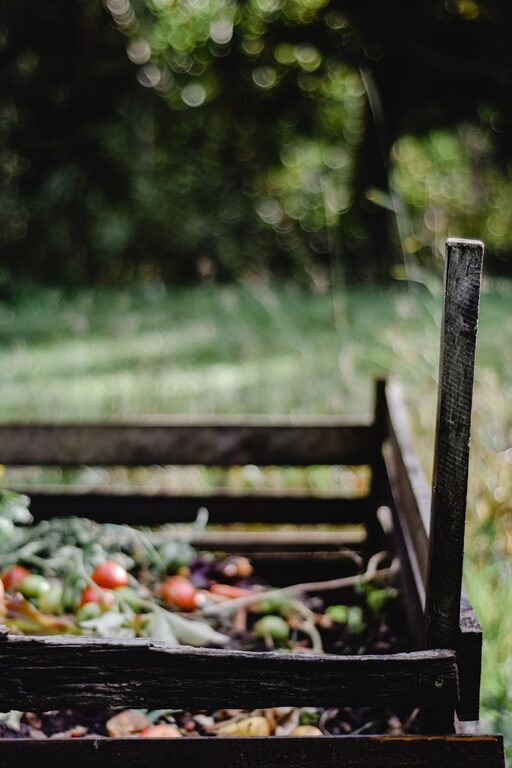
Composting at home is a simple and rewarding way to reduce waste while enriching your garden soil. Whether you have a spacious backyard or a small balcony, composting can fit into your lifestyle and make a positive impact on the environment. If you’re new to composting, this guide will walk you through essential tips to get started with confidence.
What Is Composting and Why Should You Do It?
Composting is the natural process of breaking down organic materials like food scraps and yard waste into nutrient-rich humus. This humus can then be used to improve soil structure, encourage healthy plants, and reduce the need for chemical fertilizers.
Benefits of composting at home include:
– Reducing landfill waste and methane emissions
– Saving money on soil amendments and fertilizers
– Enhancing soil health and moisture retention
– Promoting a sustainable, circular approach to waste
Choosing the Right Composting Method
There are several composting methods tailored to different living spaces and lifestyles. Here are some common options:
Backyard Compost Bin
Ideal for those with outdoor space. Use a commercial compost bin or build your own with wood pallets. Often closed to keep pests away, these bins allow you to compost a variety of organic materials.
Tumbler Composters
These are closed containers on a stand that can be rotated to mix the compost easily. Great for faster breakdown and reduced odor, especially for small to medium-sized gardens.
Vermicomposting (Worm Composting)
If you have limited space or want to compost indoors, vermicomposting uses red worms to break down kitchen scraps. It produces nutrient-rich worm castings perfect for potted plants.
Bokashi Composting
An anaerobic fermentation process that deals well with meat and dairy scraps. This method needs a special bran inoculated with beneficial microbes and works well indoors.
Getting Started: Basic Composting Tips
Once you’ve selected a method, keep these simple tips in mind to create a successful compost pile.
1. Balance Green and Brown Materials
Composting breaks down materials through microbial activity. “Greens” provide nitrogen, and “browns” provide carbon. A good rule of thumb is a ratio of about 2 to 3 parts browns to 1 part greens.
Green materials include:
– Fruit and vegetable scraps
– Coffee grounds
– Grass clippings
– Fresh plant trimmings
Brown materials include:
– Dry leaves
– Straw or hay
– Shredded paper or cardboard
– Wood chips and sawdust (untreated)
Avoid adding too many greens at once, as this can make the pile wet and smelly.
2. Chop or Shred Materials
Smaller pieces compost faster. Chop large scraps or shred leaves and cardboard before adding them. This increases the surface area for microbes to work on.
3. Maintain Moisture and Airflow
Your compost should feel like a damp sponge—not soaking wet or dry. Too much moisture slows decomposition and causes odor, while too little stops the process.
Turn or mix your compost weekly to aerate it, which helps oxygen reach the microbes and speeds up decomposition.
4. Avoid Adding These Items
Certain materials don’t compost well and can attract pests or cause problems:
– Meat, bones, fish, and dairy (unless using Bokashi or worm composting properly)
– Diseased plants or invasive weeds
– Pet waste
– Synthetic chemicals or treated wood
5. Be Patient
Composting speed depends on temperature, moisture, and material size. It can take anywhere from a couple of months to a year. Finished compost is dark, crumbly, and earthy-smelling.
How to Use Your Finished Compost
When your compost is ready, you can use it in your garden to:
– Enrich planting beds by mixing it into the soil
– Top-dress lawns to improve health and reduce watering
– Potting mix ingredient for container plants
– Mulching around trees and shrubs
Using compost regularly promotes strong plant growth and sustainability.
Additional Composting Tips for Beginners
– Start small: Begin with a simple bin or container and increase as you get comfortable.
– Keep a kitchen caddy: Collect scraps in a small container with a lid to make daily composting easy.
– Use a compost thermometer: If you want to track your pile’s progress and temperature.
– Learn local guidelines: Some communities offer guidance or pickup services for composting.
– Troubleshoot common issues: Address odors by adding more browns or turning the pile more, and fix sogginess by improving drainage.
Final Thoughts
Composting at home is a wonderful way to reduce waste and create valuable organic material for your garden. With the right balance of patience, materials, and care, you can turn everyday scraps into rich compost that benefits your plants and the planet. Start small, stay consistent, and enjoy your new eco-friendly hobby!
Happy composting!