
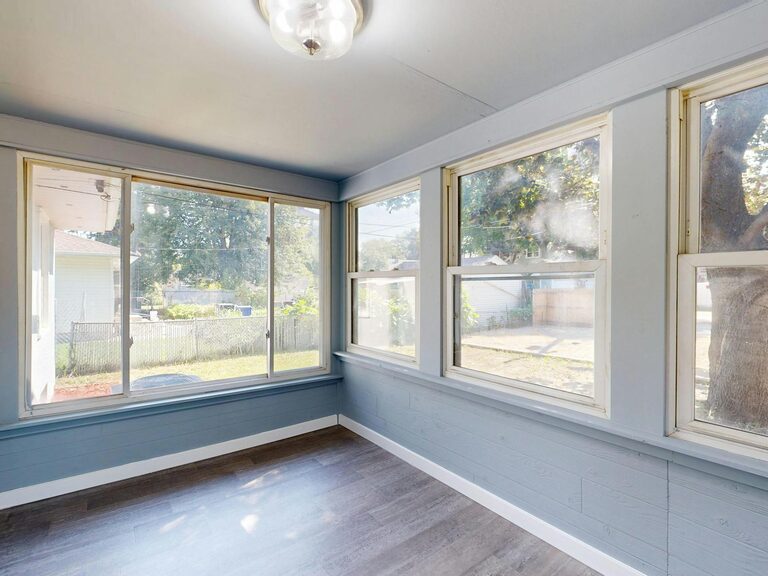
Creating a quiet and peaceful environment at home can greatly improve your comfort, concentration, and overall well-being. Noise from outside traffic, household appliances, or neighbors can sometimes make it difficult to relax or focus. Fortunately, there are simple and practical ways to reduce noise in your living space without the need for expensive renovations. In this blog post, we’ll explore easy strategies you can implement to minimize unwanted sounds and enjoy a more tranquil home.
Understanding Common Sources of Noise at Home
Before diving into solutions, it helps to identify the most common noise sources in a typical household:
– Outdoor noise: Traffic, construction, lawn equipment, and neighborhood activity.
– Internal noise: Appliances like washers, dryers, and HVAC systems.
– Neighbors and shared walls: Footsteps, voices, and pets.
– Echo and sound reflection: Hard floors and bare walls amplifying noise inside.
By tackling these areas, you can create a noticeably quieter living space.
Simple Ways to Reduce Noise Indoors
1. Use Thick Curtains or Drapes
Window areas can let in a lot of outdoor noise. Installing heavy, lined curtains helps absorb sound waves and blocks noise from entering your rooms. Opt for materials like velvet or polyester blends designed to be noise-reducing. Besides noise control, they also improve insulation and privacy.
2. Add Rugs and Carpets
Hard floors reflect sound, causing echoes and louder footsteps. Covering floors with thick rugs or carpets is an easy way to dampen noise. If you live in an apartment or have neighbors below, rugs with soundproofing pads add an extra barrier against noise transmission.
3. Rearrange Furniture for Sound Absorption
Strategically placing large pieces of furniture like bookshelves, couches, or wardrobes against noisy walls can help block and absorb sound. A filled bookshelf works as a natural sound barrier. Also, soft furnishings absorb sound waves better than hard surfaces.
4. Seal Gaps and Cracks
Noise sneaks through small cracks around doors, windows, and baseboards. Use weather stripping, door sweeps, or acoustic sealant to close these gaps. This not only reduces sound but also improves energy efficiency by preventing drafts.
5. Use Sound-Absorbing Wall Decor
Acoustic panels or wall hangings made from fabric, cork, or foam can be decorative yet functional. They absorb sound reflections, improving the room’s acoustics and reducing noise buildup. You can even make DIY panels using materials like thick blankets or canvas stretched over foam.
Addressing Noise from Appliances and Electronics
Appliances can be noisy culprits inside your home. Here’s how to manage their sound:
– Place machines on vibration-dampening mats: This reduces noise caused by vibrations.
– Schedule noisy tasks thoughtfully: Run dishwashers or laundry during times when noise is less disruptive.
– Maintain appliances regularly: Clean filters and service machines to reduce unusual sounds.
Creating Quiet Zones in Your Home
Designate certain rooms or areas of your home as quiet zones where noise levels are intentionally kept low. This could be a reading nook, a home office, or a meditation corner. Adding soft textiles, soundproofing materials, and noise-reducing plants helps maintain tranquility in these spaces.
Utilizing White Noise and Sound Machines
Sometimes, instead of eliminating all noise, masking disruptive sounds with gentle background noise can improve comfort. White noise machines, fans, or nature sounds provide a consistent audio environment that helps drown out sudden noises, improving focus and sleep quality.
Outdoor Noise Reduction Tips
To reduce noise from outside sources:
– Plant shrubs or trees: Dense greenery acts as a natural sound barrier for windows and yards.
– Install fences or walls: Solid barriers around your property help block noise from roads or neighbors.
– Use double or triple-pane windows: These specialized windows offer better sound insulation than standard glass.
When to Consider Professional Help
If noise issues persist despite your best efforts, consulting a professional soundproofing company may be worthwhile. Experts can assess your home and recommend customized solutions such as installing acoustic insulation, soundproof drywall, or specialized windows.
Conclusion
Reducing noise at home doesn’t have to be complicated or costly. Implementing simple strategies like adding soft furnishings, sealing gaps, and rearranging furniture can make a big difference. Whether you want a calm space for work, rest, or family time, these tips will help you create a quieter and more comfortable living environment.
Try some of these ideas today, and enjoy the peaceful atmosphere you deserve!